A More Complex Picture of the Fall of Rome: “The Origins of the Early Medieval State” | History Today

Why study the fall of Rome and the emerging states that arose in the aftermath?
The historian Paul Fouracre explains the problems with the mythic version of the fall of Rome and the aftermath. In conclusion, he feels the need to justify the study of this period: “Most West Europeans do live in states that had their origins in what grew out of the Roman Empire and do want to know how this came about. The task is to write about this in a clear and accessible way that comprehends the complications and avoids the crusty value judgments of old. David Rollason has shown the way forward in his recent textbook, Early Medieval Europe 300-1050 (2012), which opens with the question: ‘why study this period?’ Well, because in its complications we see how the complex world in which we live first took shape. Oh, and it is fascinating.” Rollason’s answer applies equally to all other areas of history. It’s unfortunate that we as historians feel compelled to justify what we do, but the value of history is not apparent to many people.
To read Fouracre’s article go here:

The Origins of the Early Medieval State | History Today.

The fall of Rome 476

The Sacking of Rome (5th century)

“Secret Warriors of the First World War” | History News Network

In his new book, Taylor Downing, writes about the unsung heroes of WWI. He recounts the stories of the spies, scientists, and code breakers who changed the world through their work. “[T]hese ‘secret warriors,’” he declares, “were a remarkable group and their stories deserve to be rediscovered. The First World War was not just a war of trenches, slaughter and sacrifice. It changed the scientific and technological landscape of the century to follow.” Read his summary of the book at:

History News Network | Secret Warriors of the First World War.

secret warriors WWI

There Is One More Thing We Need to Remember About the Civil War | History News Network

Those who played music during the war. Timothy Walch entreats us to remember them. See his argument at:

History News Network | There Is One More Thing We Need to Remember About the Civil War.

Band of the 10th Veteran Reserve Corps. Washington, D.C. April, 1865 -- Wikipedia

Band of the 10th Veteran Reserve Corps. Washington, D.C. April, 1865 — Wikipedia

The Cost of Turkey’s Genocide Denial – NYTimes.com

The historian Ronald Grigor Suny offered a potent lesson, not just for Turkey, but for all peoples in The New York Times this past week. Assaulting historical truth in the service of political ends is nothing new. However, a recent rise in nationalism in places like Russia and Japan has brought this issue to the forefront as a potential destabilizing force. Suny persuasively explains why this is a concern and why Turkey should admit to the genocide. “It is well known that each nation feels its own pain and has difficulty feeling that of others. Yet reconciliation of Armenians, Kurds and Turks — who are fated to live next to each other — will require both an acceptance of their shared history and mutual suffering and a hard look backward in order to move forward. Acknowledging who set the fire and directed it against the most vulnerable population must be part of the healing.” Read the entire article here:

The Cost of Turkey’s Genocide Denial – NYTimes.com.

armenian_genocide protest

The Magna Carta Myth – The New Yorker

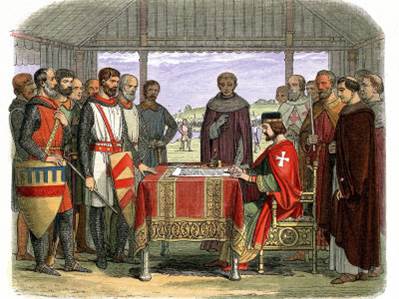
The Magna Carta has reached sacred status in the U.S., but its status has been built upon mythic foundations. The purposes it has served have generally been positive, illustrating that not all myth making is bad.  Jill Lepore explores this history in The New Yorker. She observes that “[i]t would not be quite right to say that Magna Carta has withstood the ravages of time. It would be fairer to say that, like much else that is very old, it is on occasion taken out of the closet, dusted off, and put on display to answer a need. Such needs are generally political. They are very often profound.” Read the entire story here:

The Magna Carta Myth – The New Yorker.

King John at Runnymede (1215) signing the Magna Carta

King John at Runnymede (1215) signing the Magna Carta

Privatizing History | Patrick Stephenson

“An academic view of history that at least tries to be objective is a bit like a public good. We don’t all pay for it. But we all benefit from it. Because a basic grasp of history is, in my view, the foundation of critical thinking and democratic governance. But if history is a public good, we’re witnessing its privatization. The past has become a commodity that can be manufactured, packaged and sold to audiences eager to hear a good story that justifies their policies and their prejudices.” Wise words from Patrick Stephenson. Will we listen?

Read his article here:

Privatizing History | Patrick Stephenson.

history

Centuries of Italian History Are Unearthed in Quest to Fix Toilet – NYTimes.com

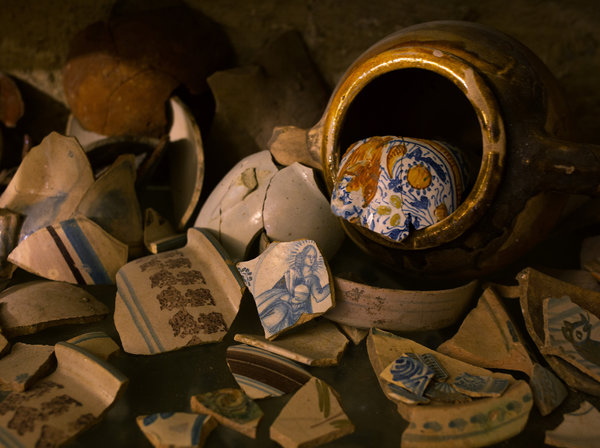
How awesome is this? An Italian was searching for his sewage pipe, he found instead “a subterranean world tracing back before the birth of Jesus: a Messapian tomb, a Roman granary, a Franciscan chapel and even etchings from the Knights Templar.” Read the entire story here:

Centuries of Italian History Are Unearthed in Quest to Fix Toilet – NYTimes.com.

Davide Monteleone for The New York Times

Davide Monteleone for The New York Times

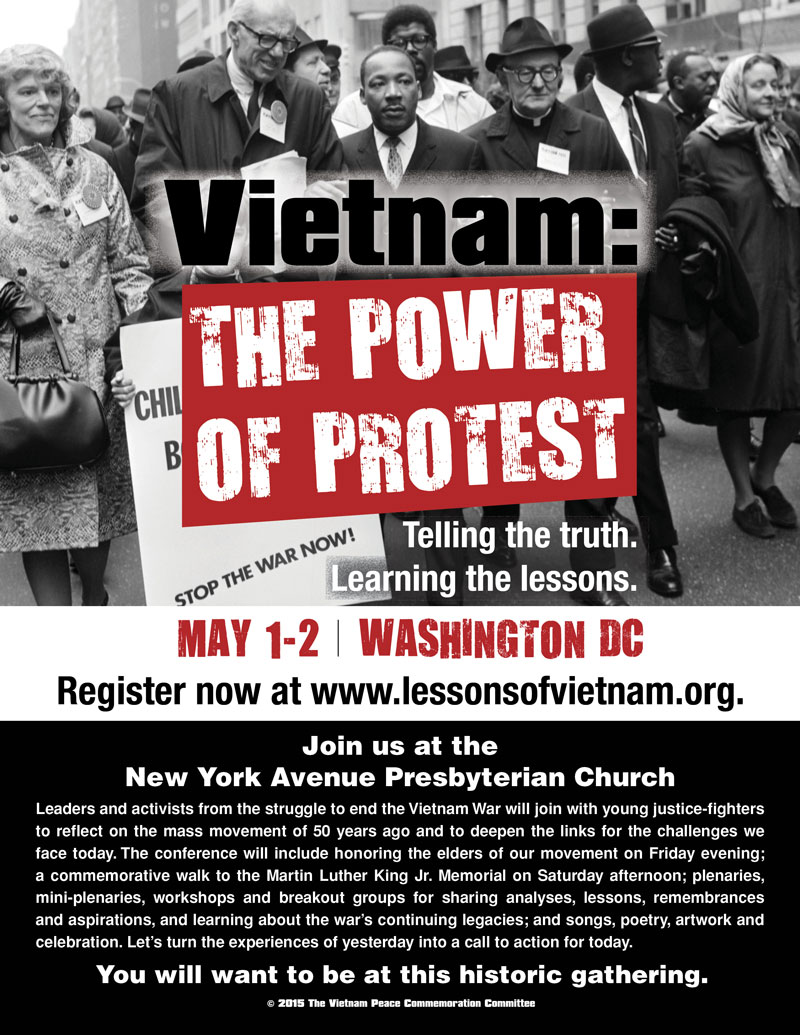
“Activists are combating the U.S. Army’s multimillion dollar commemoration of the War in Vietnam”| History News Network

Some of you may be interested in this:

History News Network | Activists are combating the U.S. Army’s multimillion dollar commemoration of the War in Vietnam.

Vietnam the power of protest

The Many Uses of Thomas Jefferson: “Once a Liberal Icon, Jefferson’s Now Claimed by Both Left and Right” |History News Network

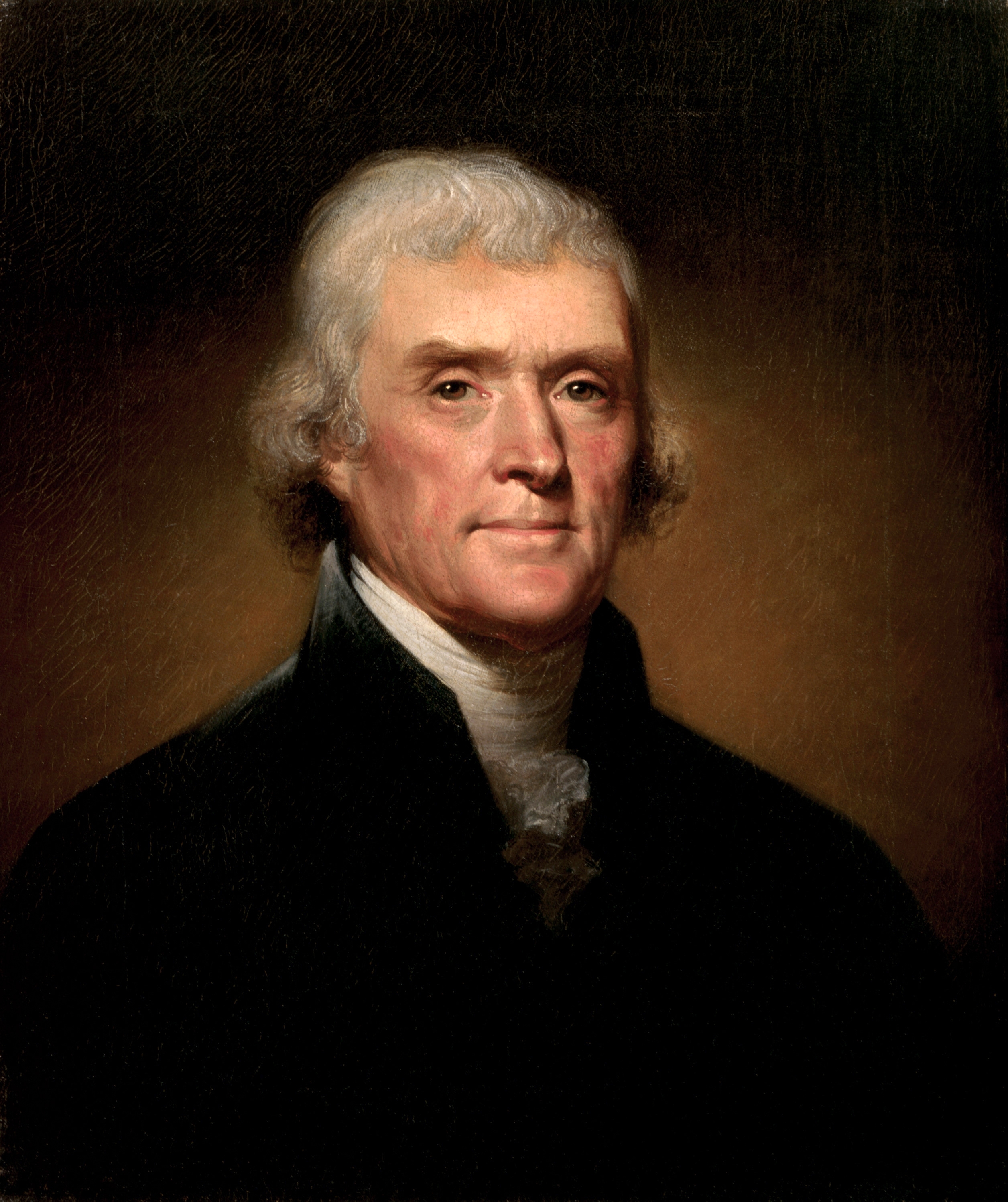
Who owns Jefferson? The historian Andrew Burstein examines the many uses and abuses of Jefferson’s legacy in our nation’s ongoing culture wars. He concludes: “Distortion of the historical Jefferson reminds us that people believe what they want to believe. Our democratic politics actually depends on a mass psychology that advances through artful manipulation. We may protest the “long train of abuses” (to quote from the Declaration) that attach to statements made in Jefferson’s name; but he continues to occupy a privileged position as we converse with the past and seek to reconcile it, somehow, with our relatively disorganized present. Whoever “owns” Jefferson (or the collective founders) takes themselves to be inheritors of America’s essential ideals.” Read the entire article here:

History News Network | Once a Liberal Icon, Jefferson’s Now Claimed by Both Left and Right.

Thomas_Jefferson_by_Rembrandt_Peale,_1800

History News Network | What We now Know About the Birth of Israel Thanks to the Opening of British MI5 Archives

This is an interesting interview with Bruce Hoffman, author of Anonymous Soldiers. Here is one of the questions he answers: “In the preface to Anonymous Soldiers, you ask the question, ‘does terrorism work?’ What are the circumstances and factors that enable some terrorist campaigns to succeed and others to fail based on the lessons from the Irgun and Lehi’s campaigns?” Read the entire interview here:

History News Network | What We now Know About the Birth of Israel Thanks to the Opening of British MI5 Archives.

Anonymous Soldiers the Struggle for Israel