“Gruesome Find: 100 Bodies Stuffed into Ancient House” – Yahoo News

In a five-thousand year old house in northeast China the remains of 97 people were found. Anthropologists believe that they were most likely victims of disease, but they don’t have enough evidence at this time to definitively determine the cause.

Read the fascinating story here:  Gruesome Find: 100 Bodies Stuffed into Ancient House – Yahoo News.

hamin-mangha-remains

“The Lesson of the Fall of the Roman Republic We Ignore at Our Peril” History News Network

Comparisons between Rome and the West (or the United States) are ubiquitous. Most are based on simplistic, superficial analogies used to warn of the demise of the West. These comparisons are almost always undertaken to serve ideological ends. A quick review of the youtube videos on this topic confirm this assertion. This type of speculation isn’t very surprising coming from non-experts bent on confirming their ideological predilections, but such superficial comparisons are not expected from experts. Historians cringe at the simplistic comparisons frequently found in popular culture. Unfortunately, the historian Richard Alston is not one of those historians (at least not in this article). Based on a simplistic reading of imperial Rome, Alston concludes, “In our modern attempts at state building, we must remember that for most people, the issue is not so much whether you like the rulers, but whether the regime will feed you and protect you. In the modern West, we assume loyalty to the state and thus fail to consider how states can secure the loyalty of their people. Rome’s revolutionaries reduced politics to its simplest form. They killed their enemies and rewarded their supporters; they fed the people and paid the soldiers. It is a recipe for success that we would do well to relearn.” What a sad, cynical, and ultimately incorrect assessment of the human condition. If things are really bad this kind of regime may be, and usually is, a welcome change, but I don’t think this kind of regime is one that human beings will ultimately settle for. I know I won’t!

History News Network | The Lesson of the Fall of the Roman Republic We Ignore at Our Peril.

rome

“Athenian Wealth: Millions of Silver Coins Stored in Parthenon Attic” – Yahoo News

A reminder of the great wealth and power of the ancient Greeks. Modern Greece could really use a treasure like this about now!

Athenian Wealth: Millions of Silver Coins Stored in Parthenon Attic – Yahoo News.

"Millions of silver tetradrachms (like the example shown here at the Museum of Fine Arts of Lyon) may have been kept in the attic of the Parthenon. "

“Millions of silver tetradrachms (like the example shown here at the Museum of Fine Arts of Lyon) may have been kept in the attic of the Parthenon. “

Stop Revering Magna Carta – NYTimes.com

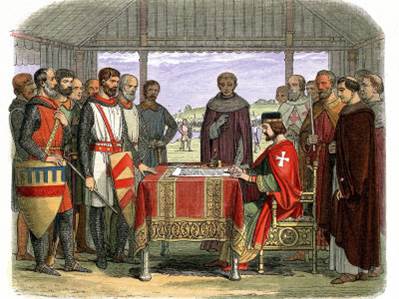
“Magna Carta has everything going for it to be venerated in the United States: It is old, it is English and, because no one has actually read the text, it is easy to invoke to fit current needs.” So true!

Read Tom Ginsburg’s argument de-mythologizing the famous document:

Stop Revering Magna Carta – NYTimes.com.

King John at Runnymede (1215) signing the Magna Carta

King John at Runnymede (1215) signing the Magna Carta

“The History & Legacy of Magna Carta Explained in Animated Videos by Monty Python’s Terry Jones” | History News Network

Do you need to brush up on your Magna Carta history? The British Museum has made a short video on the Magna Carta. It’s a great overview of the basic story of the document and its legacy.

History News Network | The History & Legacy of Magna Carta Explained in Animated Videos by Monty Python’s Terry Jones.

“The Venice of the Sands in Peril by G.W. Bowersock” | NYRblog | The New York Review of Books

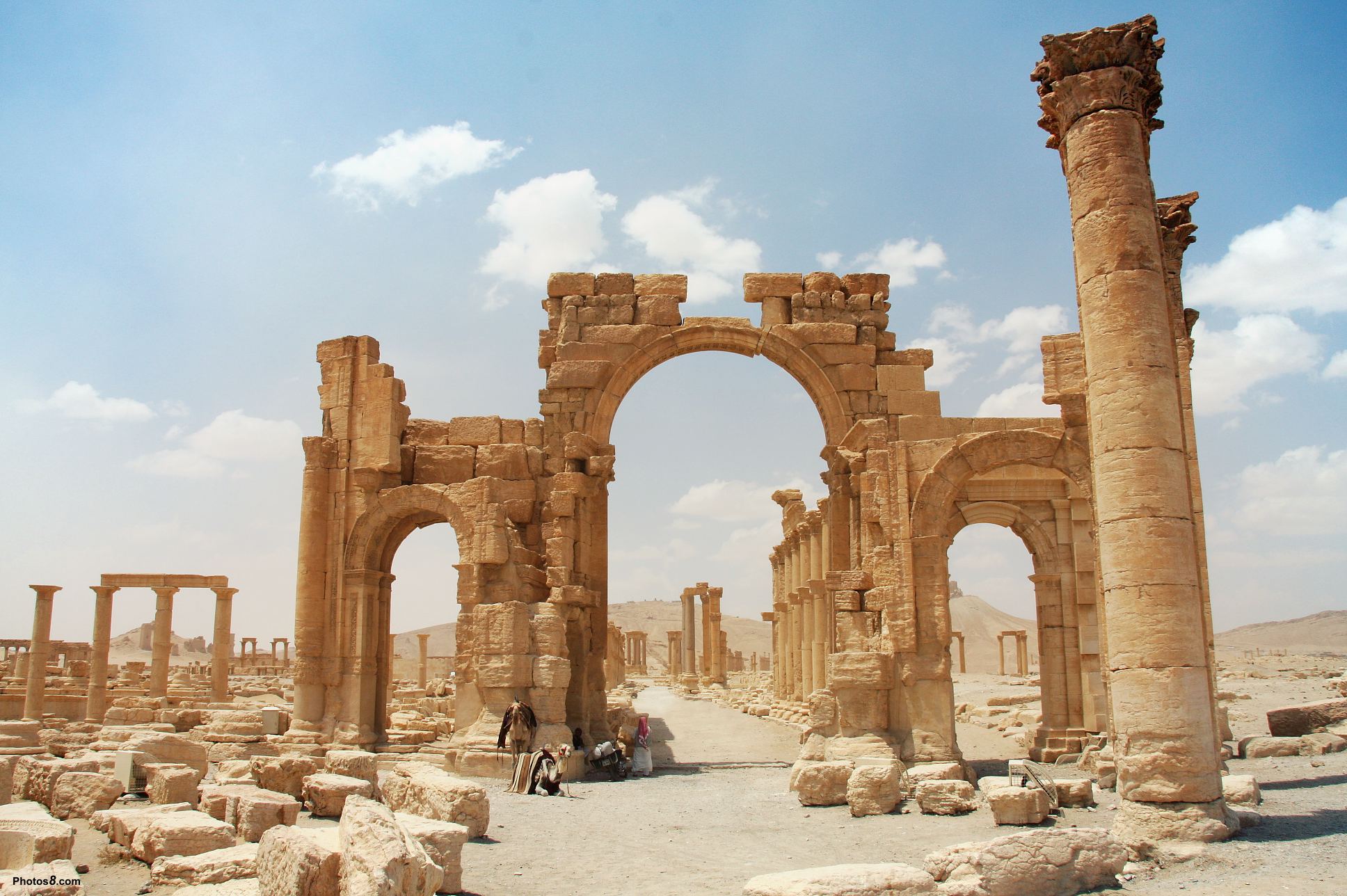
Sowing a path of death and destruction, ISIS has taken another ancient city. The world looks on helplessly as they continue to slaughter all who do not meet their ideological standards, including women and children. And it is not enough for them to destroy the present, they feel that they must destroy the past as well. While there is no evidence of damage yet, it is likely that the magnificent ancient city of Palmyra will meet the same fate as Nimrud and Hatra.

In contemplating this possibility, G.W. Bowersock acknowledges the extensive archeological excavations of the site, but argues that “it would be folly to believe that the survival of archaeological reports and photographs could in any way compensate for the destruction or looting of the ancient remains. The preservation of buildings and objects that managed to survive for two thousand years of Palmyra’s history has to be a priority wherever civilization is cherished. The Arabs at Palmyra today, and undoubtedly many Arabs everywhere, know that the city belongs to them and their past.” Read his summary of the history of this splendid ancient city here:


The Venice of the Sands in Peril by G.W. Bowersock | NYRblog | The New York Review of Books.

palmyra-triumphal-arch

“ISIS is threatening Palmyra, the Venice of Syria” | History News Network

Another ancient treasure is under threat from ISIS. Once these treasures are gone, they are gone forever! This is sickening!!

History News Network | ISIS is threatening Palmyra, the Venice of Syria.

Palmyra

Palmyra

A More Complex Picture of the Fall of Rome: “The Origins of the Early Medieval State” | History Today

Why study the fall of Rome and the emerging states that arose in the aftermath?
The historian Paul Fouracre explains the problems with the mythic version of the fall of Rome and the aftermath. In conclusion, he feels the need to justify the study of this period: “Most West Europeans do live in states that had their origins in what grew out of the Roman Empire and do want to know how this came about. The task is to write about this in a clear and accessible way that comprehends the complications and avoids the crusty value judgments of old. David Rollason has shown the way forward in his recent textbook, Early Medieval Europe 300-1050 (2012), which opens with the question: ‘why study this period?’ Well, because in its complications we see how the complex world in which we live first took shape. Oh, and it is fascinating.” Rollason’s answer applies equally to all other areas of history. It’s unfortunate that we as historians feel compelled to justify what we do, but the value of history is not apparent to many people.
To read Fouracre’s article go here:

The Origins of the Early Medieval State | History Today.

The fall of Rome 476

The Sacking of Rome (5th century)