“Christian Appy on the Legacy of the Vietnam War: An Interview” | History News Network

Christian Appy, author of American Reckoning: The Vietnam War and Our National Identity, in an interview reflects on the legacy of the war. As usual, he offers great advice based on years of study. For example, he proposes “that we fully and finally dispense with American exceptionalism. I don’t think the historical record justifies the faith, it alienates other people and nations (for obvious reasons), and it contributes to public acquiescence to the tiny few who make foreign policy in our name and are all to ready and willing to assure us that they can be trusted to use our ‘indispensable’ power as a force for good in the world.”

Read the entire interview here: History News Network | Christian Appy on the Legacy of the Vietnam War: An Interview
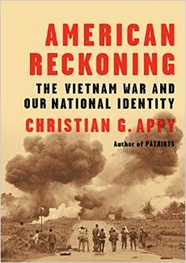
American Reckoning

“Records show Hitler enjoyed special treatment in prison” – Yahoo News

“Fleischmann, who heads the Bavarian state archives in Nuremberg, said a review of newly published prison records reveals that Hitler and fellow members of the Nazi Party were treated much more favorably than socialists or communists who were also incarcerated for staging a coup several years earlier.” This isn’t that much of a surprise. We already knew that his stay at Landsberg prison was closer to house arrest than what a common prisoner would have experienced. He and his co-conspirators were seen as defenders of the fatherland and were widely admired as such.

Source: Records show Hitler enjoyed special treatment in prison – Yahoo News

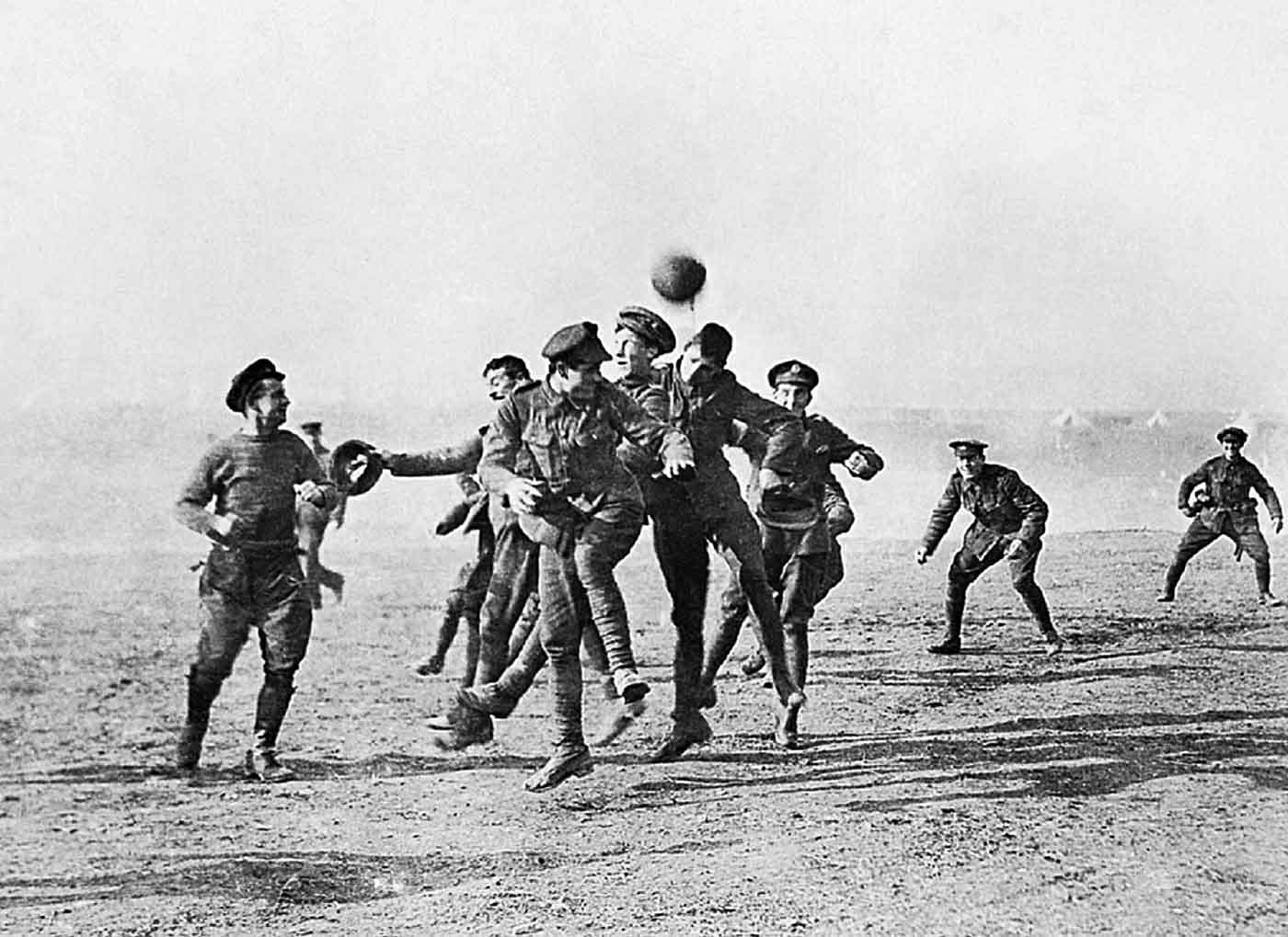
“Did the 1914 Christmas Truce Really Happen?”

Yes, it did! However, Brian Dunning challenges some of the exaggerated stories surrounding the 1914 Christmas Truce.  Dunning is right to question the excessive mythic stories of this story, but even in its more toned down version it is a wonderful story that should inspire hope for humanity.

Read Dunning’s careful analysis of the truce here: Did the 1914 Christmas Truce Really Happen?

christmas truce WWI

“Thomas Piketty to India’s Elite: ‘Learn From History’” – The New York Times

“On a visit to Mumbai, the economist and author hopes India’s elite can ‘learn from the stupid mistakes of the other elites.’” Will they? I doubt it! But I applaud Piketty for trying.

Source: Thomas Piketty to India’s Elite: ‘Learn From History’ – The New York Times

History News Network | Quicksand: Or How and Why the U.S. Created its Very Own Middle Eastern Quagmire

Another perceptive analysis of our current situation: “Americans are scared and whenever the next terrorist act occurs, temperatures will soar, and as our past bears out, bad things will surely happen as ambitious  politicians, goaded by the mass media, rush to avenge the criminals, guilty or not. Meanwhile, the morally and politically myopic men and women who  entrapped us in a no-win Greater Middle Eastern hornet’s nest will continue advising our leaders how to beat ISIS and finally win our never-ending wars.”

Source: History News Network | Quicksand: Or How and Why the U.S. Created its Very Own Middle Eastern Quagmire

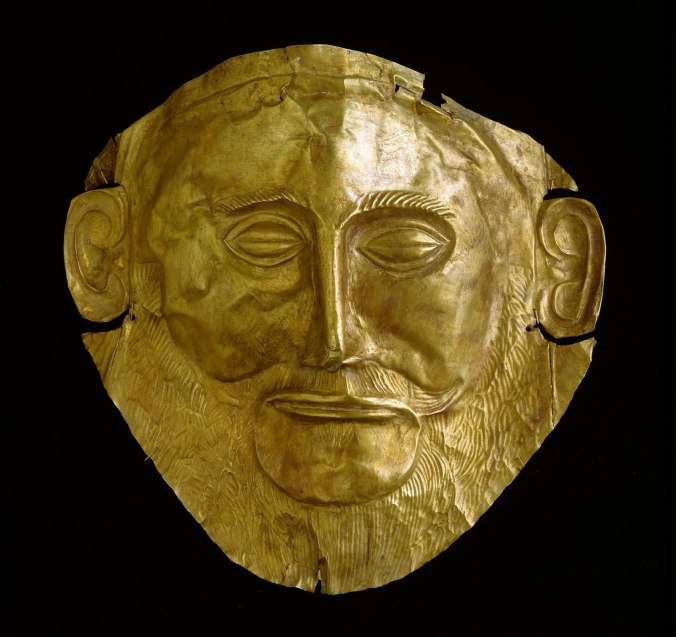
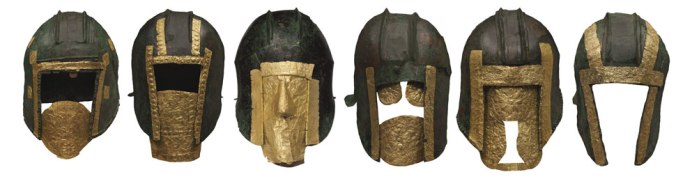
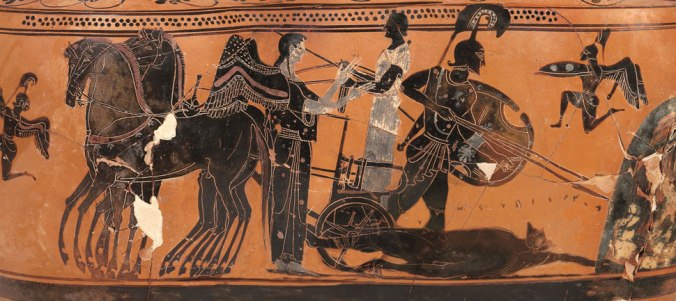
Splendors of the Dead by Garry Wills | NYR Daily | The New York Review of Books

“The extraordinary exhibition ‘The Greeks: Agamemnon to Alexander the Great’ shows the extent to which the immensely privileged eased themselves into the afterlife with much of the booty that had cushioned their time on earth. It seems they aimed at taking along enough symbols of power and wealth to get whatever passes for honor in the underworld.” If you’re in a position to see this magnificent collection I’m jealous! It will be at the Field Museum in Chicago through April 10, and in May will be at the National Geographic Museum in Washington, D.C.

Source: Splendors of the Dead by Garry Wills | NYR Daily | The New York Review of Books

Jonathan Zimmerman: Thanks to right-wing deniers, schools still sow seeds of doubt over climate change | Dallas Morning News

97 percent of climate scientists agree that human behavior is warming the earth. That’s not question or a controversy; it’s a fact. And surely we need to teach students the difference. Indeed, they can’t participate constructively in the real controversies of our time — about climate change, and everything else — unless they learn to distinguish fact from opinion, and knowledge from belief.” So far we haven’t done a very good job at teaching our students these skills. Given the significant challenges we face in our modern world, and the overwhelming amount of information found on the Internet (much of which is garbage), it is essential that we teach our students the skills necessary to evaluate truth claims.

Source: Jonathan Zimmerman: Thanks to right-wing deniers, schools still sow seeds of doubt over climate change | Dallas Morning News

“Suleiman the Magnificent’s tomb believed to have been found in Hungary” | Science | The Guardian

“Historian says ‘in all certainty’ remains found near Szigetvar in southern Hungary point to resting place of 16th-century sultan of Ottoman Empire.” I hope so! I’m convinced that it would be really interesting!

Source: Suleiman the Magnificent’s tomb believed to have been found in Hungary | Science | The Guardian

“The political aftermath of financial crises: Going to extremes” | VOX, CEPR’s Policy Portal

I was tempted to say “duh,” but a closer look at their research shows a much more nuanced finding that would not be obvious from a simple review of the history. What is particularly concerning to me is the fact that our instincts in the face of these crises (not just financial but security threats as well) are wrong. Our response usually makes things worse without solving the real underlying problems. When will we learn, a knee-jerk, fear based response is not the solution!

Source: The political aftermath of financial crises: Going to extremes | VOX, CEPR’s Policy Portal

“Historian Patricia Limerick: We can’t change history, but we can change how we understand it” | The Seattle Times

Historians need to do a better job explaining the complexities and vastness of history to non-historians. To many Americans, any change in familiar historical narratives amounts to revisionism (by which they basically mean a re-writing of history not based on evidence but on ideological preferences). Of course, we should all be concerned  with false revisionism, but history is by its very nature is revisionist. We encounter new evidence, we expand what we know by including new perspectives (women, the poor, minorities, etc.), and through debates between historians. Early historical narratives are constructed with minimal evidence for purposes that have nothing to do with honest historical evaluation.

In her interview, Limerick, explained, “History doesn’t change, but a better understanding of it can change a person. And she said history is relevant to the problems we face today because good hindsight can lead to better foresight.” Hopefully Limerick’s message will be heard!

Source: Historian Patricia Limerick: We can’t change history, but we can change how we understand it | The Seattle Times